Recognizing trouble early
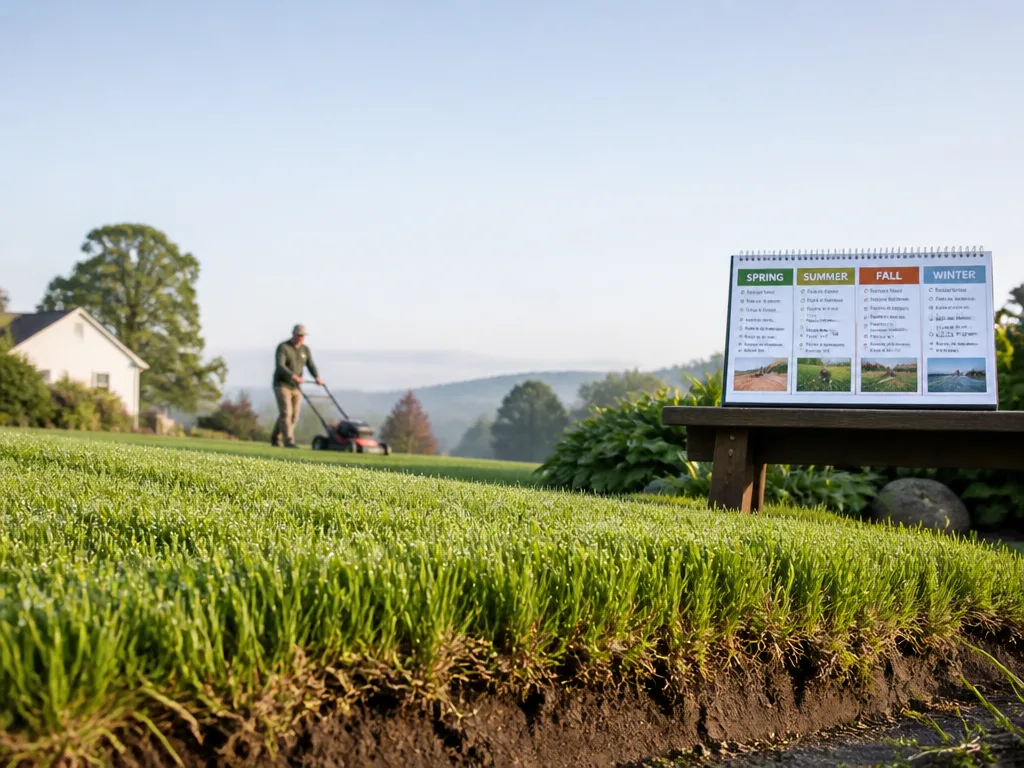
Across Vermont, a healthy lawn shows even color and uniform growth. When you start seeing pale patches, thinning areas, or grass that seems dull for weeks, it’s a signal to take a closer look. A lawn care specialist from Vermont Dead Tree Removal will walk the property with you, noting where the issues cluster and how the problem changes with the season.
In Vermont, our climate swings from warm summers to cold winters. That means certain problems are more common in some parts of the state than others, but the core signs stay the same: patchy color, uneven texture, and weeds climbing into the turf. Early detection keeps costs reasonable and the job smaller.
What to look for in color and texture
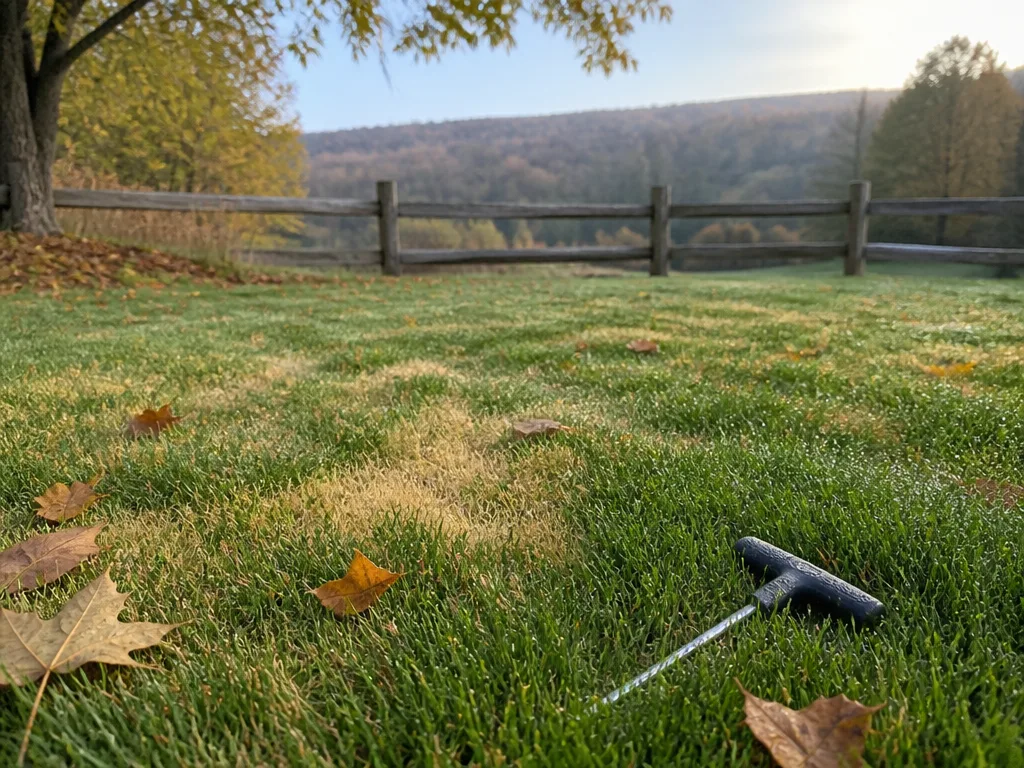
Healthy Vermont turf should be a consistent green with tight blades. If you see blue-green patches, yellowing toward the tips, or a rough feel when you walk barefoot, that’s a red flag. Another clue is overly rich soil smell or a damp, compact surface after rainfall. Our crews in Vermont see these symptoms year round, not just in peak growing season.
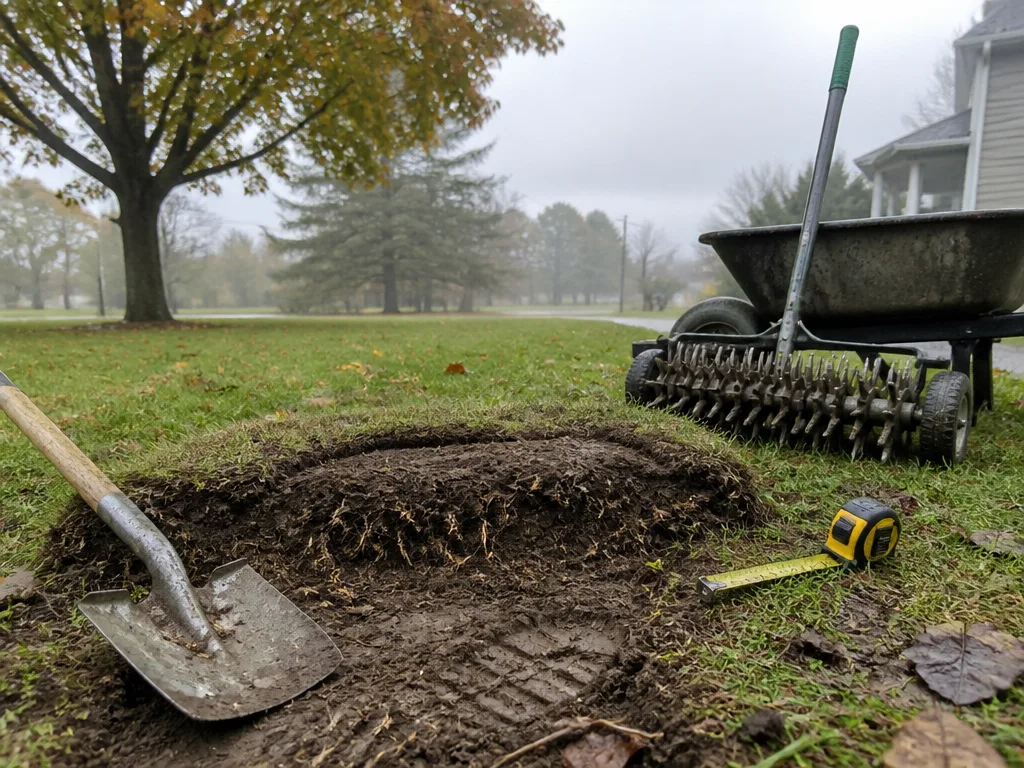
Rutting or tracks in the lawn after foot traffic or mowing can also indicate compaction. When the soil is heavy, water sits on top rather than soaking in, and roots struggle. A lawn care specialist can test soil moisture and structure and recommend next steps for relief.
Where to start once you spot a sign
Document the changes with a few photos and notes on when you first noticed them. Then, arrange a statewide assessment with Vermont Dead Tree Removal. We’ll review your lawn’s history, mowing height, and soil conditions, and map out a practical plan that fits Vermont homeowners across the state.
In many cases, simple steps like adjusting mowing height, improving drainage in problem areas, and a targeted feeding plan can restore balance. The key is acting before patchiness spreads. Our team can help you decide what to address now and what to monitor in the coming weeks.
- Check mowing height and adjust to season; for Vermont summers, 2.5 to 3 inches often works well.
- Observe after rainfall for signs of poor drainage or compaction in low spots.
- Track color changes over 2–3 weeks to distinguish temporary stress from longer trends.
Across Vermont, the same approach applies: notice early, plan calmly, and work with a lawn care specialist who understands statewide conditions.